PhilaPort investing for future growth as nation's leading perishables gateway
PhilaPort investing for future growth as nation's leading perishables gateway
As global supply chains continue to evolve and fresh produce imports increase, PhilaPort is moving forward with an ambitious series of infrastructure, technology and sustainability investments designed to reinforce its position as the nation's premier gateway for perishable cargo.
The port's ongoing transformation is guided by its Destination 2040 strategic plan, which has already delivered significant milestones while laying the groundwork for future growth.
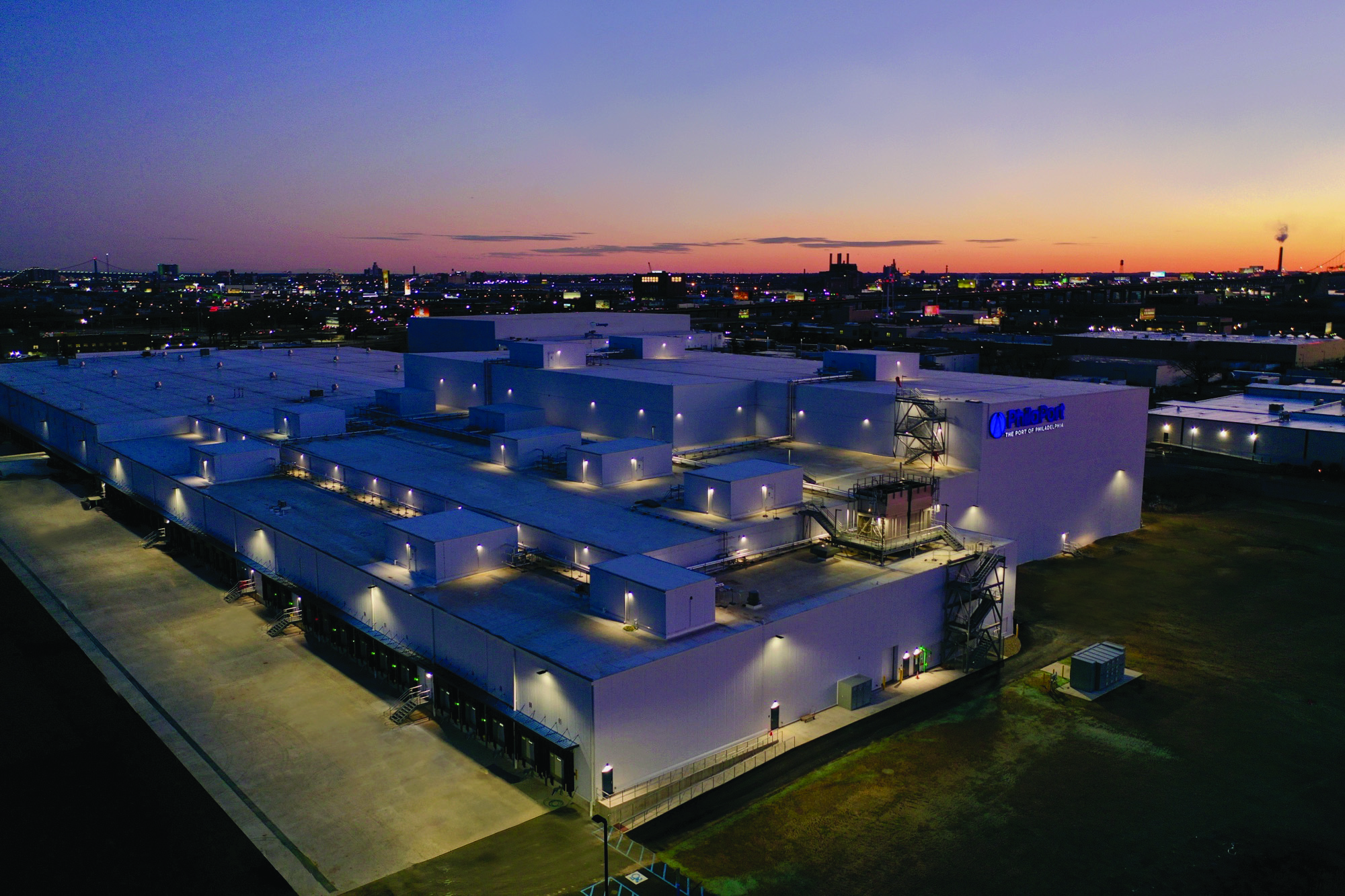
Among the most notable accomplishments is the completion of the new PhilaPort Distribution Center-Cold, a 165,000-square-foot refrigerated warehouse representing a $101 million investment.
“We finished construction on our PhilaPort Distribution Center-Cold, a new 165,000-square-foot refrigerated building,” said Dominic O’Brien, senior marketing manager. “This facility will give produce importers more options.”
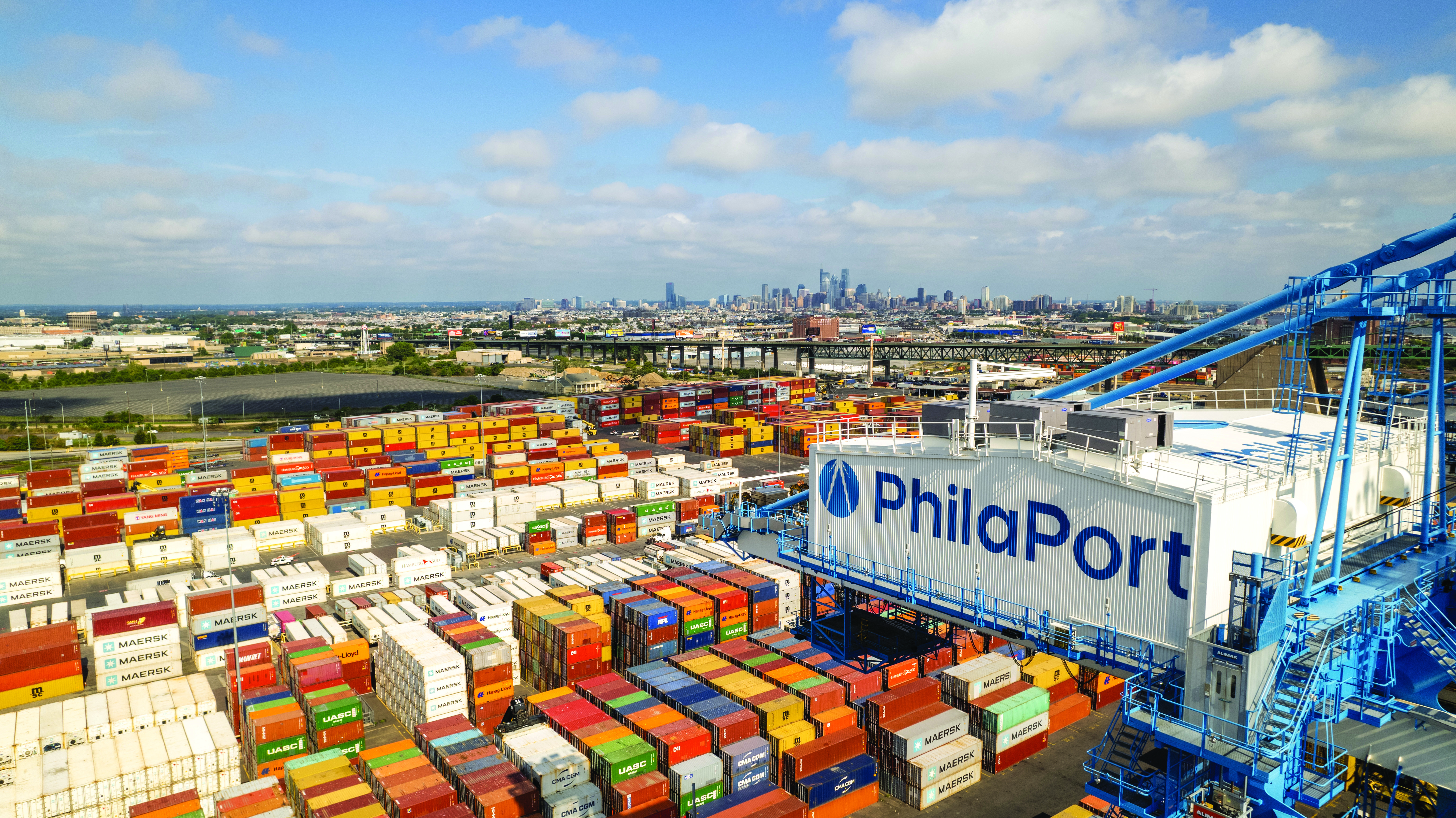
The refrigerated warehouse is part of a broader effort to improve cargo flow and operational efficiency throughout the port complex. At the Packer Avenue Marine Terminal, terminal operator Holt Logistics has installed new electric rubber-tired gantry cranes that allow containers to be stacked higher, increasing capacity and improving productivity.
Additional investments include terminal deck upgrades to accommodate greater weight loads, enhanced tracking and tracing technology throughout the logistics chain, and a new agreement with Norfolk Southern that will support expanded rail operations in South Philadelphia.
Long-term initiatives
 While those projects are already delivering benefits, PhilaPort is also advancing several long-term initiatives, including permitting and funding for the proposed 2,000-foot SouthPort berth; development planning on 173 newly acquired acres adjacent to its marine terminals; near-dock roadway improvements; and ongoing upgrades to Interstate 95 that will improve access to regional and national markets.
For produce importers, the investments are focused on one primary objective: moving fresh products from vessel to customer as quickly and efficiently as possible.
“The central focus of our infrastructure and technology improvements is to quickly and efficiently move produce from ship to customer,” said Sean Mahoney, senior director of marketing. “Produce can't wait. It must get there quickly, so we build our systems to move it quickly.”
That focus on efficiency continues to distinguish Philadelphia from competing ports. According to the World Bank and S&P Global's Container Port Productivity Index, PhilaPort has ranked as the top-performing container port in the United States for three consecutive years.
“Every port tries to move cargo quickly,” Mahoney said, “but from cranes to gates to highway, we move it more efficiently than any other port in the country.”
The port's reputation as a produce gateway extends well beyond its infrastructure. Officials point to Philadelphia's unique perishables ecosystem, which includes cold storage operators, repackers, trucking companies, inspectors, terminal operators and the Philadelphia Wholesale Produce Market.
In addition to the new PDC-Cold facility, private cold storage companies continue to invest throughout the region. Local repack operations provide a comprehensive suite of services, including container drayage, fumigation coordination, cold storage, ripening, repacking and transportation management.
“Philadelphia's produce community is what truly makes us different,” said O’Brien. “Local logistics service providers know fruits and vegetables, they know the port, they know the importers, and they know each other.”
That collaboration creates an environment where communication is strong, challenges are addressed quickly and decades-long relationships help keep produce moving efficiently.
“We as a Port Authority support our terminal operators and these crucial logistics service providers,” Mahoney added. “There are generations of trust and operational experience between parties.”
Produce leads the way
PhilaPort's produce business continues to expand. Recent cargo growth has been fueled by strong increases in melons, citrus and vegetables, with vegetable volumes showing particularly impressive gains.
“Strong performance in melons, up 12 percent, citrus fruits, up 9 percent, and vegetables, up 53 percent, has helped drive cargo growth,” O’Brien said.
International sourcing trends are also benefiting the port. Produce imports from Guatemala, Ecuador and Morocco have posted substantial gains as exporters increasingly choose Philadelphia as their preferred U.S. gateway.
“Perishables have allowed PhilaPort to grow during these difficult global trade conditions,” said Mahoney.
Despite ongoing uncertainty surrounding tariffs, global trade negotiations and supply chain realignment, port leadership remains optimistic about the future of fresh produce imports.
“The American consumer demands the highest-quality produce from around the world at the lowest possible price, year-round,” said Mahoney. “We are the best port to get that fruit to market in the United States, and we are investing to make sure we remain No. 1.”
Eye on sustainability
Sustainability has also become a key component of the Destination 2040 strategy. PhilaPort is investing approximately $80 million in new electric cargo-handling equipment, including electric yard hostlers, forklifts and rail-positioning equipment designed to reduce emissions while supporting future growth.
Looking ahead, officials envision a future where larger vessels carrying greater volumes of fruits and vegetables arrive at both the Packer Avenue Marine Terminal and the future SouthPort berth, supported by expanded terminal capacity, modern cargo-handling equipment and improved transportation infrastructure.
“We envision bigger ships bringing more fruit and vegetables to Philadelphia, being offloaded by newer, bigger cranes, getting through the terminal gate quickly and trucking to market on improved roads,” said O’Brien. “We are making this vision happen now.”
Export growth
Beyond imports, PhilaPort also sees significant opportunities to grow agricultural exports. Approximately 65 percent of the port's container volume is refrigerated cargo, while roughly 40 percent of outbound container traffic consists of empty containers.
The port is working with organizations including Food Export USA and the Pennsylvania Department of Agriculture to help fill those containers with fresh produce and other agricultural products from the northeastern United States and Canada.
“There are especially good opportunities for small and mid-sized agricultural exporters,” said Mahoney. “The United States is already the world's leading agricultural exporter, and Philadelphia has immense potential to help growers and food companies reach global markets.”
With major infrastructure projects underway, growing perishables volumes and continued investments in efficiency and sustainability, PhilaPort is positioning itself to remain a critical link in the fresh produce supply chain for decades to come.