Fowler Farms builds on generations of experience
Fowler Farms builds on generations of experience
After battling drought conditions and unusually small fruit last season, Fowler Farms is entering the 2026 growing season with optimism as favorable weather has created strong conditions for the New York apple crop.
“We got off to a slow start, but we were fortunate,” said Austin Fowler, vice president of the Wolcott, New York-based grower. “There were a lot of frost events that negatively affected crops in other areas of the East, but we were not impacted by that.”
The company, which traces its roots back more than 160 years and is now operated by the sixth generation of the Fowler family, is already seeing signs of a stronger crop than the one harvested a year ago.
“Last year we had drought conditions and really small apples,” Fowler said. “This year we’ve had really good growing conditions and great cell division weather. The fruit is growing now, and it’s starting to show up and look really good out there.”
As the apple category continues evolving, Fowler said convenience remains one of the biggest drivers of consumer purchasing behavior.
“We continue to see packaged apples pick up momentum,” Fowler said. “Whether it’s online ordering or shoppers simply wanting the convenience of grabbing a bag, two-pound, three-pound and even eight-pound bags continue to grow.”
That trend has helped support sales across many varieties, including several managed varieties that continue gaining traction with consumers.
Fowler Farms has seen continued success with SweeTango, which has become one of the company’s signature offerings.
 “We’ve established a lot of markets for SweeTango, and consumers continue to enjoy it,” Fowler said. “Through technology, storage and years of experience, we’ve been able to maintain that sweet, crunchy flavor for much longer periods of the year.”
The company is also seeing strong momentum from SnapDragon, another premium variety that has become increasingly popular.
“SnapDragon had a really good year,” Fowler said. “We continue to grow more of it, and it seems to sell out sooner and sooner every year.”
With inflation continuing to affect household budgets, merchandising and promotions have become more important tools for driving movement in the produce department.
“The consumer is still feeling inflationary pressure from a lot of different directions,” Fowler said. “Promotions help create a perception of value without necessarily giving away the farm.”
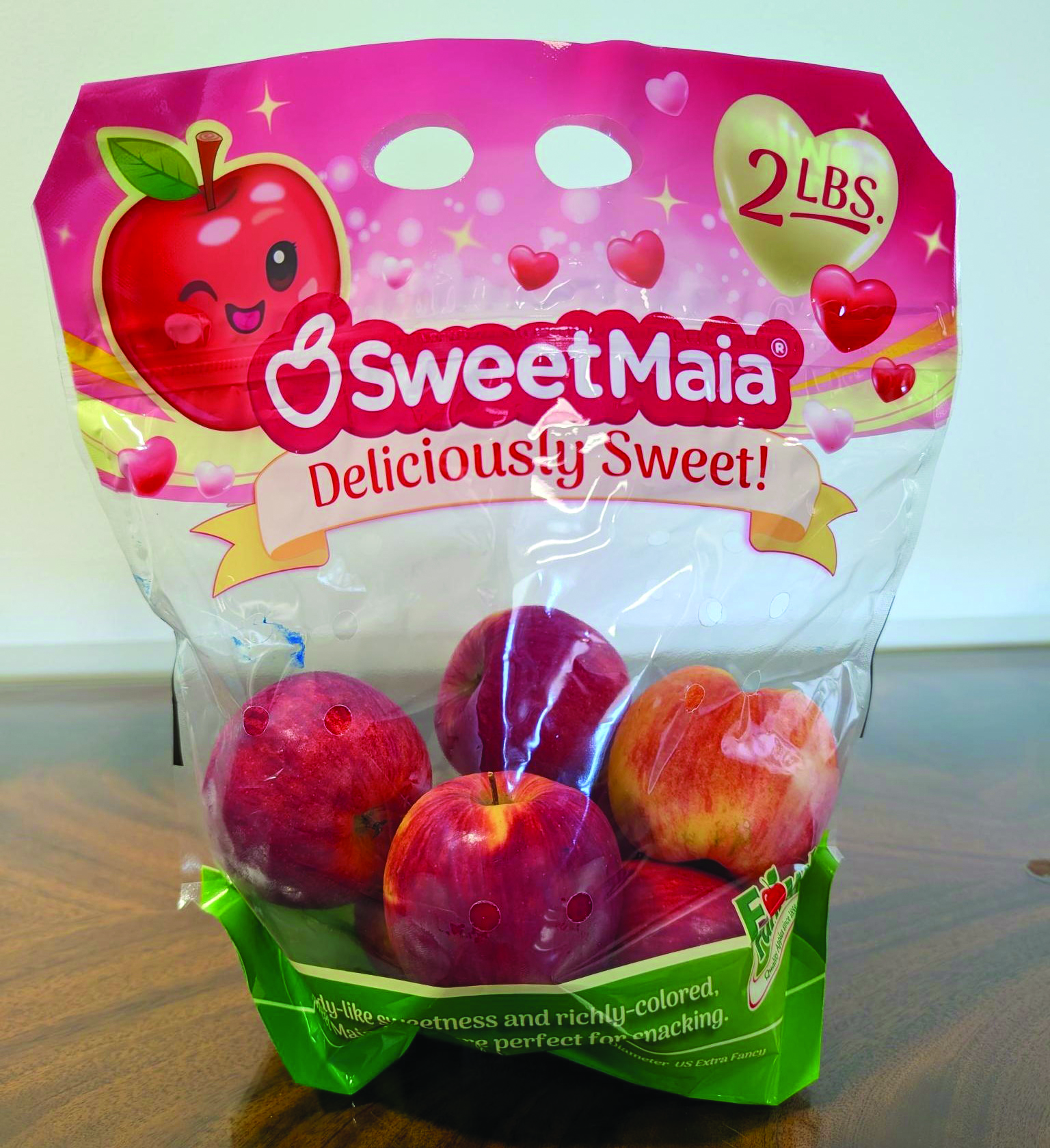
The company has also been investing heavily in packaging and branding initiatives. A new variety called Sweet Maia is expected to debut next year and will be supported by a fresh packaging program designed to stand out at retail.
“We’re doing a lot of work on packaging right now,” Fowler said. “It has to be fun, catchy and tell a story.”
That storytelling approach extends to the company’s organic programs as well.
“With organic packaging, we want to tell the story of who we are as a sixth-generation grower, packer and shipper,” Fowler said. “Consumers want to understand what makes a product organic and why it matters.”
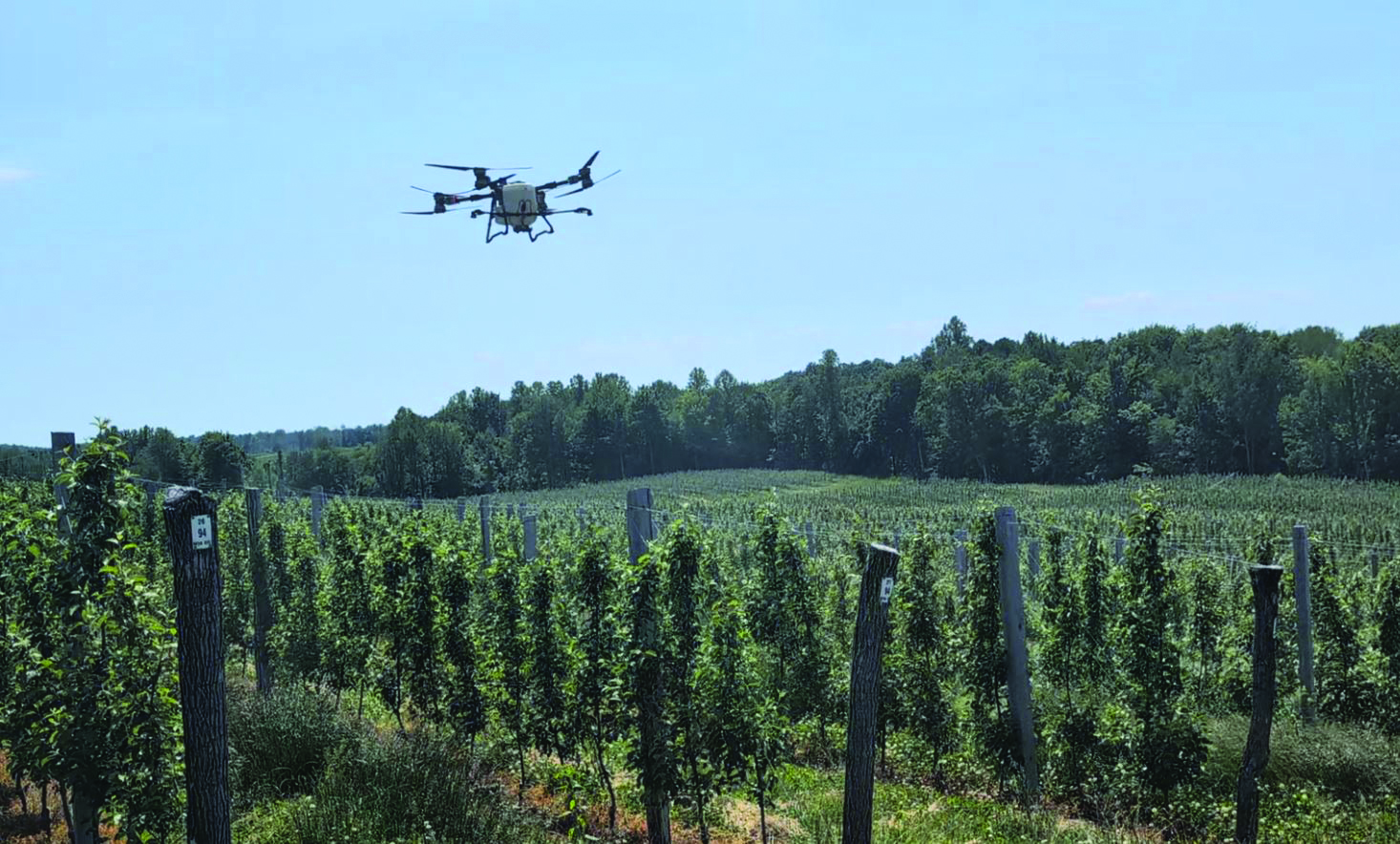
Technology is also playing a growing role throughout the operation. Fowler Farms recently began experimenting with drone applications in its orchards and is installing a new artificial intelligence-powered grading system designed to improve consistency and efficiency.
“We sprayed an orchard with a large drone for the first time this year,” Fowler said. “We’re also putting in a new grading system that uses AI to identify defects more accurately and help us become more efficient.”
Despite the investments in technology, Fowler emphasized that people remain the company’s most important asset.
“You have to take care of the folks who work for you,” Fowler said. “We just held our annual employee appreciation event and recognized several employees with 20, 30 and even 35 years of service.”
Looking ahead, Fowler believes New York growers may have additional opportunities this season as weather challenges affect other eastern production regions and freight costs continue climbing.
“With fuel and freight costs where they are, local production becomes even more important,” Fowler said. “Bringing apples across the country at today’s freight rates doesn’t always make sense. We see opportunities to continue expanding our local presence.”