AFE 2026 Paul Ecke Jr. and Altman Family scholarship recipients
AFE 2026 Paul Ecke Jr. and Altman Family scholarship recipients
The American Floral Endowment has announced the 2026 recipients of the Paul Ecke Jr. and Altman Family scholarships. The scholarships recognize graduate students whose work is poised to shape the future of floriculture through innovation, research and education.
Emily Eldridge, a master's degree student at North Carolina State University, is the recipient of the 2026 Paul Ecke Jr. Scholarship. Eldridge will receive 10,000(10,000(5,000 each for two consecutive years) to help fund her education.
Four students received the 2026 Altman Family Scholarship. Each recipient will receive $5,000 to further graduate work. The students are Charlie Smith, a doctoral student at Michigan State University; Luke Finn, a master's degree student at North Carolina State University; Rajesh Vavilapalli, a doctoral student at the University of Georgia; and Tatiana Osorio Montoya, a doctoral student at North Carolina State University.
"Through the vision and generosity of Paul Ecke Jr. and the Altman Family, these scholarships continue to open doors for students who are dedicated to advancing floriculture," said Debi Chedester, executive director of the American Floral Endowment. "Their commitment to investing in the future lives on through each recipient, and we are proud to support these emerging leaders as they pursue research and innovation that will help shape the next generation of horticulture."
The scholarship honors the late Paul Ecke Jr., a California horticulturist credited with moving the industry forward through innovation and educational program development. The scholarship awards the chosen scholar 5,000fortwoconsecutiveyears(5,000fortwoconsecutiveyears(10,000 total). The recipient must be pursuing a master's or doctorate degree at a U.S. land-grant university.
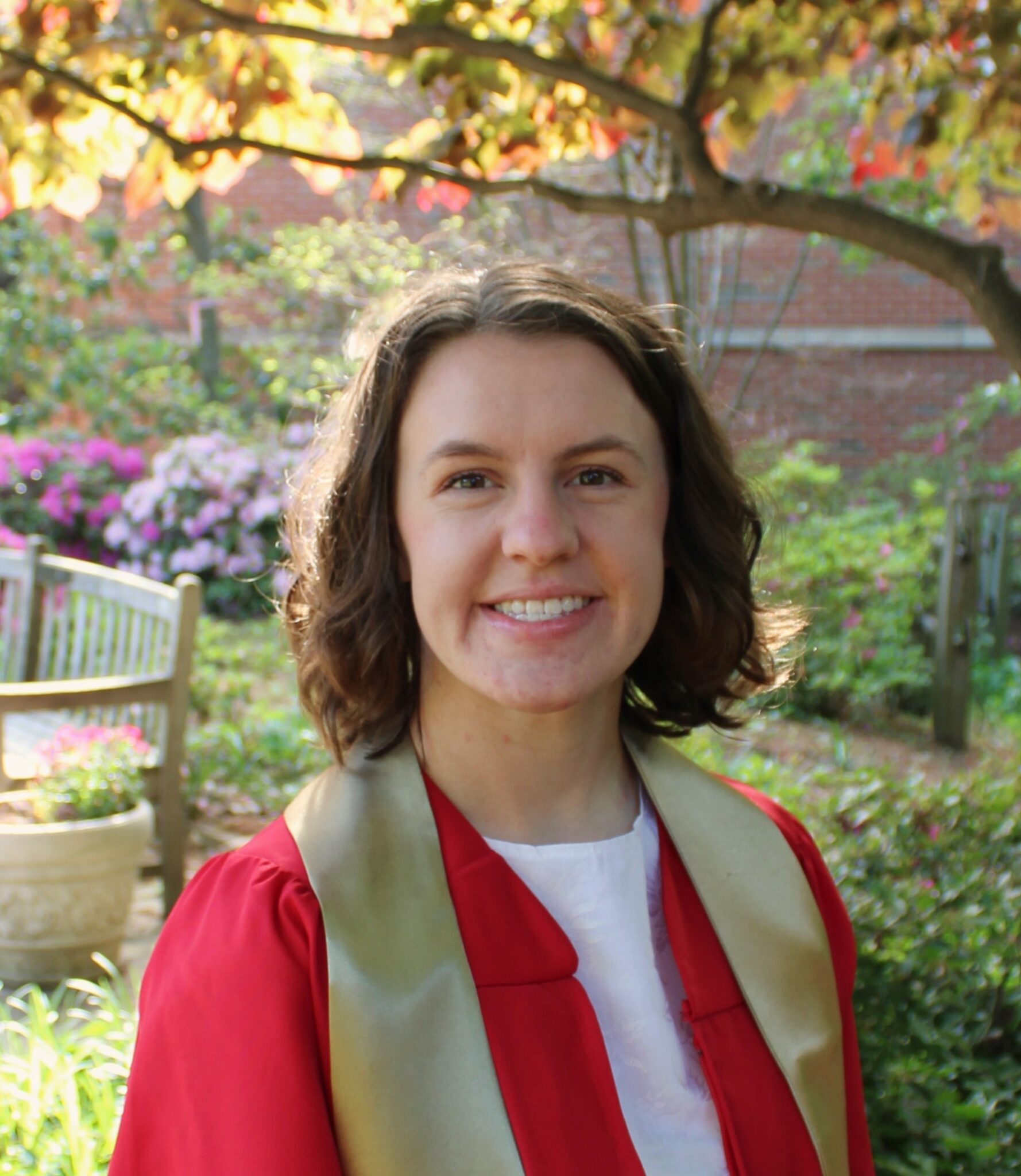 Emily Eldridge, North Carolina State University – Paul Ecke Jr. Scholarship
Rooted in a lifelong connection to plants and a growing commitment to workforce development, Emily's path in floriculture reflects both personal heritage and professional purpose. A resident of Smithfield, North Carolina, the graduate student has a desire to support the industry's long-term success through education and workforce development.
"My academic and professional work focuses on strengthening the horticulture workforce by understanding student recruitment, engagement and success in horticulture programs," Eldridge said. "In this way, this scholarship is not only an investment in my education, but also an investment in the systems and programs that educate and prepare future floriculture professionals."
Her connection to the industry began early in life, with a passion for flowers developed from walking through a row of zinnias her great-grandfather grew in honor of his late wife. That time laid the foundation for a lasting appreciation for plants and what they mean to the industry.
The early exposure eventually led to hands-on experiences in production-based areas before Eldridge shifted her focus to education and outreach. While working with a 4-H Extension horticulture specialist, she began introducing youth to horticulture careers.
"Today, I work with young people to expose them to the diverse and impactful world of horticulture, helping them develop curiosity, confidence and a sense of belonging in the field," she said. "While I fell in love with plants and flowers early in life, I have chosen to dedicate my career to supporting the people behind them."
Eldridge's research now focuses on student enrollment and success in horticulture, conducted in collaboration with Seed Your Future. Specifically, her work examines how students discover the industry's programs and what keeps them engaged.
"A knowledgeable and diverse workforce is essential to meeting the industry's evolving needs," Eldridge said. "By identifying effective strategies for student recruitment and success, this work supports floriculture employers, educators and industry leaders in building a sustainable workforce. With experience in both production horticulture and youth development, I bring both the industry perspective and educational passion to this research."
Her future goals include continuing to work at the intersection of people and plants, ultimately strengthening the industry's workforce pipeline.
"This field has provided me with opportunities, mentorship and a strong sense of community, and I am committed to contributing to its continued growth," she said.
Second-year funding
Andre Truter, a master's degree student at North Carolina State University, was awarded the 2025 Paul Ecke Jr. Scholarship. Truter was approved for a second year of funding and received a total of 10,000inscholarshipsupport,awardedas10,000inscholarshipsupport,awardedas5,000 annually over two consecutive years.
About the Altman Family Scholarship
Created in 2015 by Ken and Deena Altman, the Altman Family Scholarship seeks to support improvement in horticulture education and research by investing in outstanding young industry professionals. The scholarship provides $5,000 annually to promising graduate students pursuing a career in horticulture.
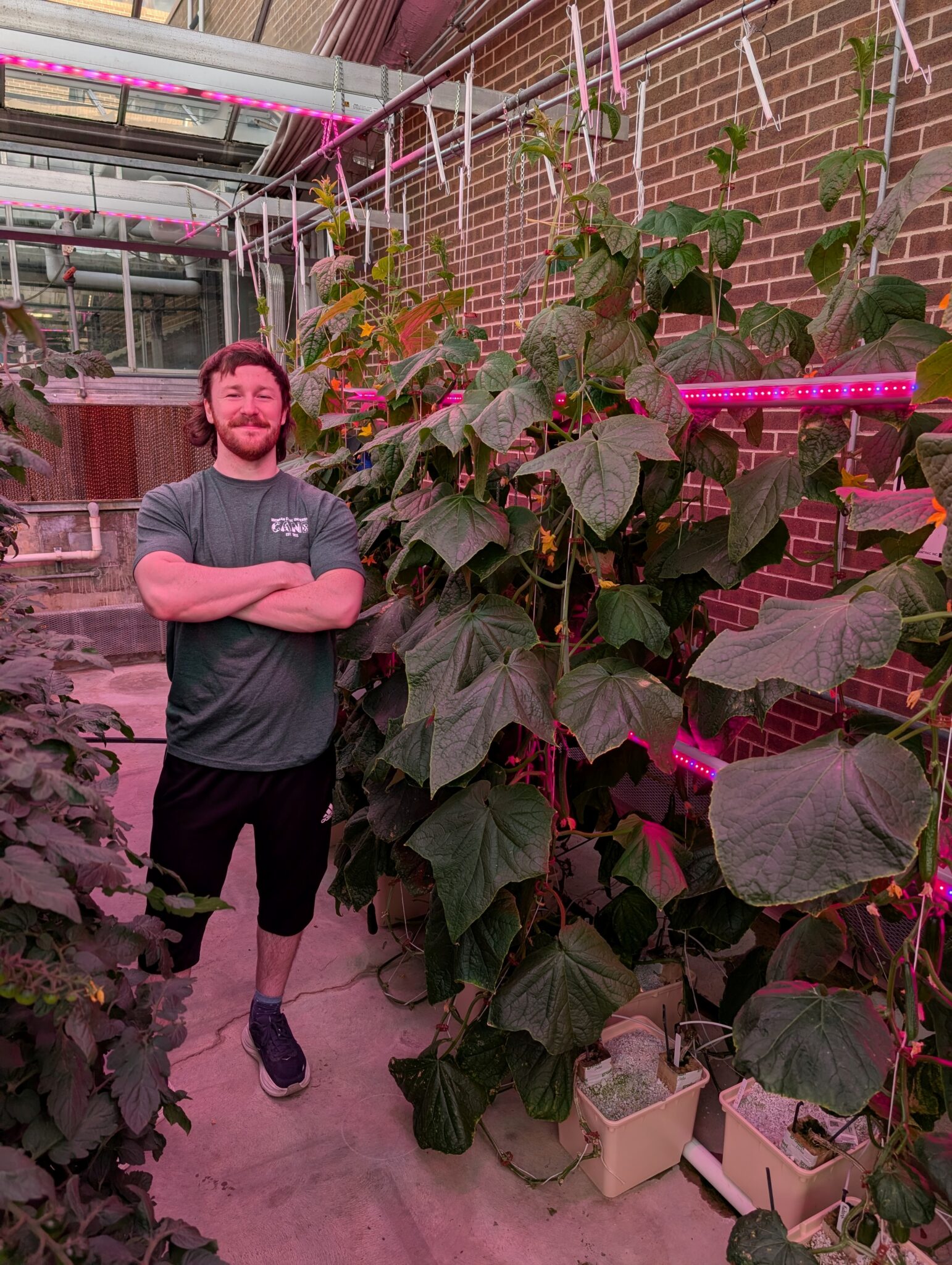 Charlie Smith, Michigan State University – Altman Family Scholarship
Driven by curiosity and a commitment to applied horticultural sciences, Charlie, a resident of Holt, Michigan, will use the scholarship support to expand his academic and professional reach in floriculture. He intends to attend more horticulture conferences and events, including those on a global scale.
"I have been able to travel to IPM Essen in Germany in 2023, a leading horticultural trade fair, and the International Plant Production Society's New Zealand Region meeting in 2025, where I even got to present my research," Smith said. "This year alone, I hope to attend the 2026 International Horticulture Conference in Kyoto, Japan, as well as the NCERA-101 6th International Controlled Environment Agriculture Conference in Dundee, Scotland. These international journeys are not only memorable, culturally enriching experiences, they also introduce me to new perspectives, problems and solutions of horticultural professionals and academics around the world."
Smith's involvement in floriculture spans both commercial and research settings. He has worked in multiple commercial settings where he gained insights into plant propagation, crop maintenance and environmental management. His research at Michigan State University focuses on optimizing lighting and temperature conditions during asexual propagation of petunias. He is also conducting research on how LED lighting influences crop development and pigmentation.
In the future, Smith's professional goal is to become a university professor in horticulture. He plans to balance appointments in research, teaching and extension.
"I aim to maintain strong connections with local growers, using research-based practices to address real-world production challenges," he said. "I seek a career that allows me to advance floriculture knowledge, train the next generation of horticulturists, and support sustainable and productive greenhouse practices."
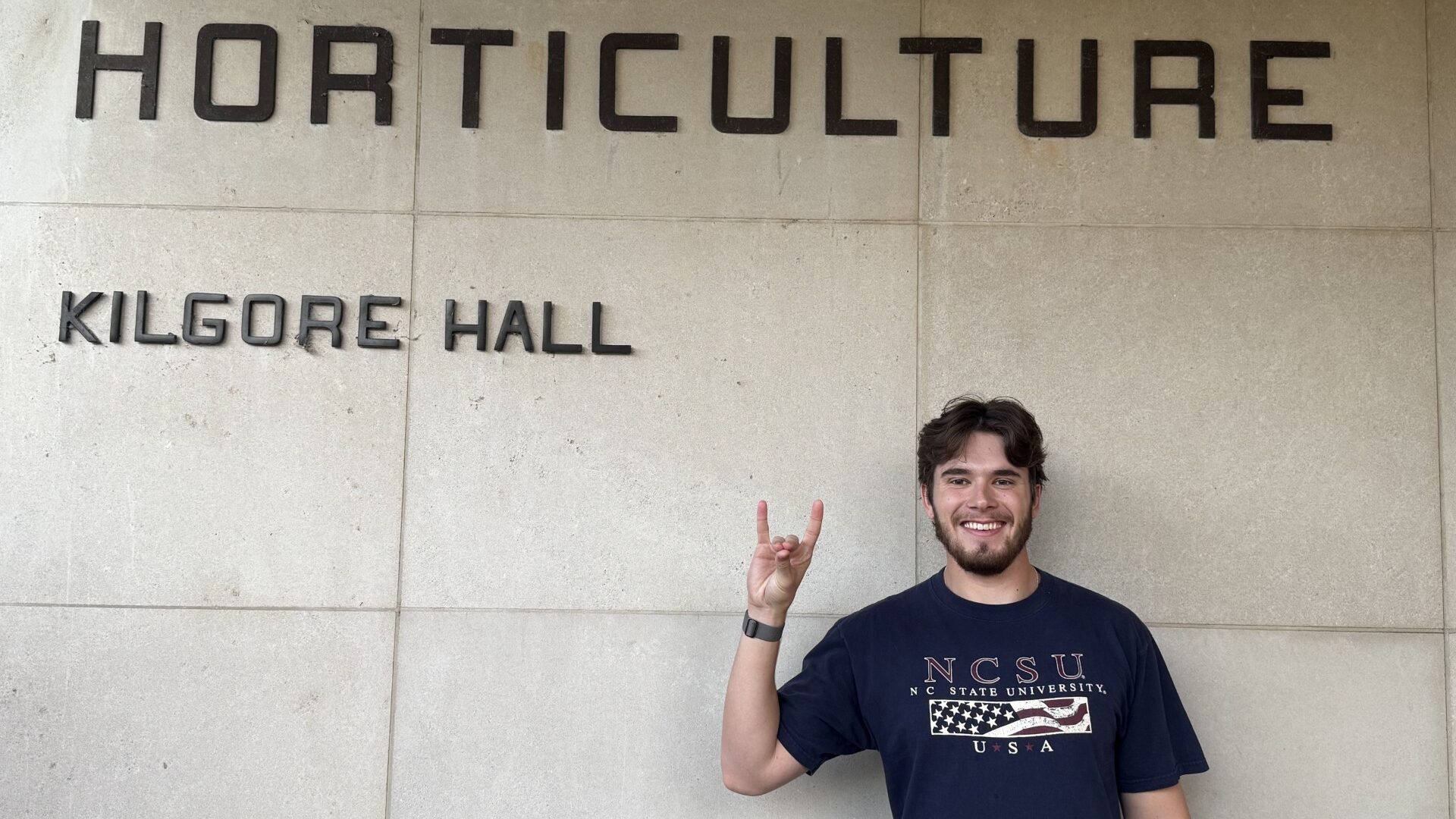 Luke Finn, North Carolina State University – Altman Family Scholarship
Currently pursuing a master's degree in horticultural science, Luke's path in floriculture reflects a journey from curiosity in his grandmother's backyard to a commitment to research and grower support.
He credits much of his early development to production work at the Greenhouse Learning Center at Oklahoma State University, where he obtained his undergraduate degree and worked closely with greenhouse operations, learning to identify plant issues.
"This experience strengthened my understanding of plant nutrition, diagnostics and day-to-day production challenges," Finn said. "It also allowed me to problem-solve on my own, which helped me understand why some solutions work and some don't."
He also had an internship with Ball Horticultural Co. and visited commercial operations, including the Altman Plants location in Illinois. Those experiences allowed him to collaborate with growers and other researchers, reinforcing his decision to continue his academic journey in the industry.
Finn, a Raleigh resident, is immersed in research regarding the development of an AI-based system that will help growers identify nutritional disorders and strengthen foundational nutrient recommendations using data from plants.
With a passion for sharing his knowledge and research findings, Finn has published eight e-GRO alert articles and co-authored "Plant Root Zone Management," second edition, which offers insights for growers.
"Recently, I have also begun to publish videos on LinkedIn detailing my current research and sharing my findings, as well as problems that occur," he said. "All these efforts reflect my passion for helping growers solve real-world problems."
Upon completion of his graduate degree, Finn intends to enter the horticulture industry in a role that bridges research and production, with possible focus areas of technical services, cultural research, product management or sales.
"I want to be able to serve as a resource for growers, helping them understand what management decisions to make and why those decisions would work best for them," he said.
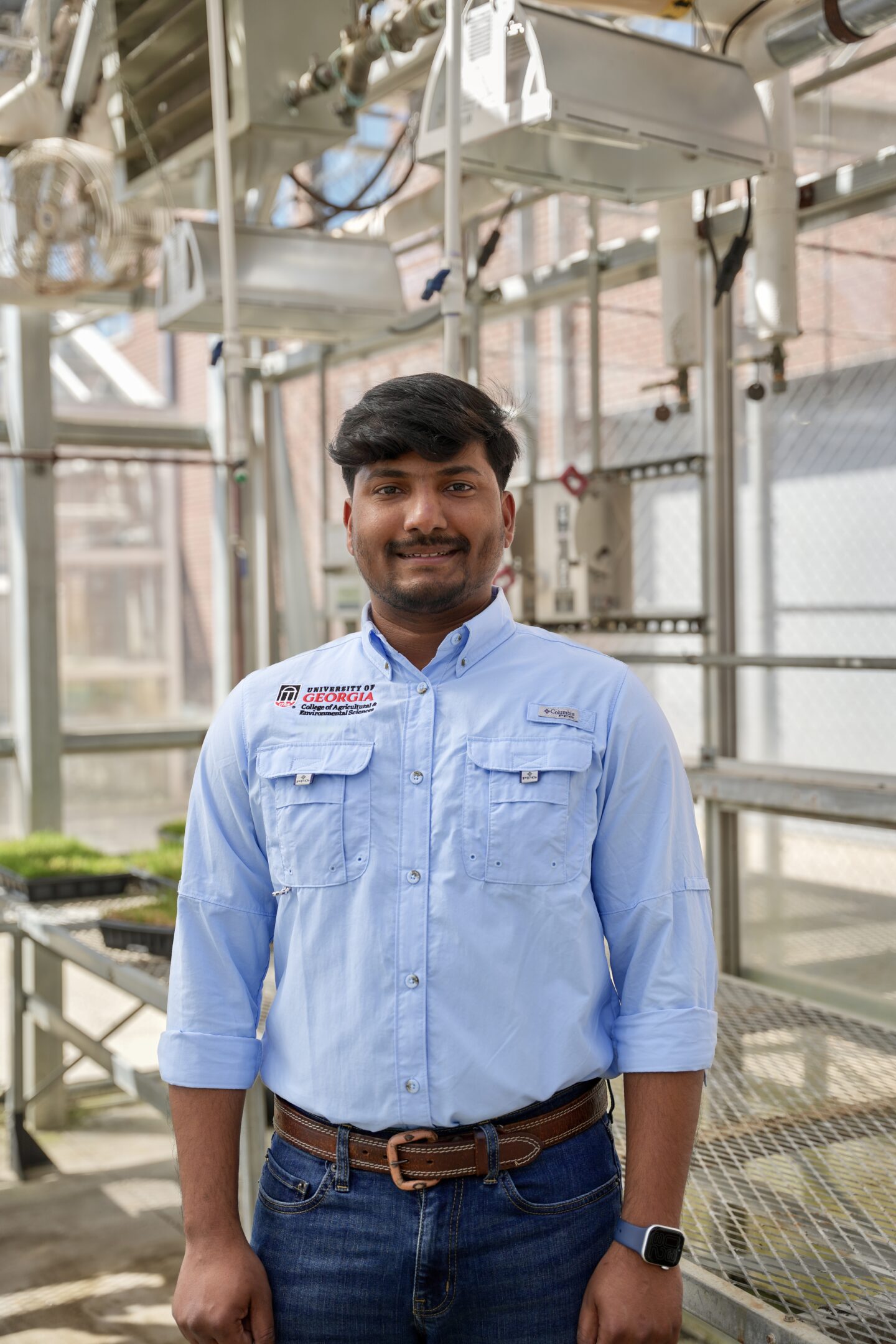 Rajesh Vavilapalli, University of Georgia – Altman Family Scholarship
As an international doctoral student at the University of Georgia, Rajesh has spent the last three years in the Department of Entomology performing research focused on improving integrated pest management. The research led to a central focus on the redheaded flea beetle.
"My proposed research aims to address a major floriculture issue: the lack of precise, decision-based pest management tools for ornamental nurseries," Vavilapalli said. "I am developing degree-day models for the redheaded flea beetle to accurately track its population dynamics under nursery conditions. This work will allow growers to time chemical and biological interventions based on pest biology rather than relying on calendar-based sprays, reducing unnecessary applications, lowering costs and minimizing environmental impact."
Vavilapalli is already making his mark on floricultural research. Through his research, he identified a previously unreported pest, the pale-legged flea beetle, which he described as the first report of the species on roses. His findings were published in the Journal of Economic Entomology.
Outside the lab, Vavilapalli is active in outreach and professional service, including participation in the Georgia Green Industry Association and AmericanHort. He also delivers presentations on pests where he can translate his research into action for growers.
Upon completion of his academic career, Vavilapalli plans to enter the industry as an ornamental entomology researcher at a land-grant university, with a goal of establishing a pest management program.
"As resources such as labor, water and effective chemistries become increasingly limited, I aim to integrate advanced technologies — such as predictive models, targeted applications and biologically based control strategies — into IPM programs that are economically viable and environmentally responsible," he said.
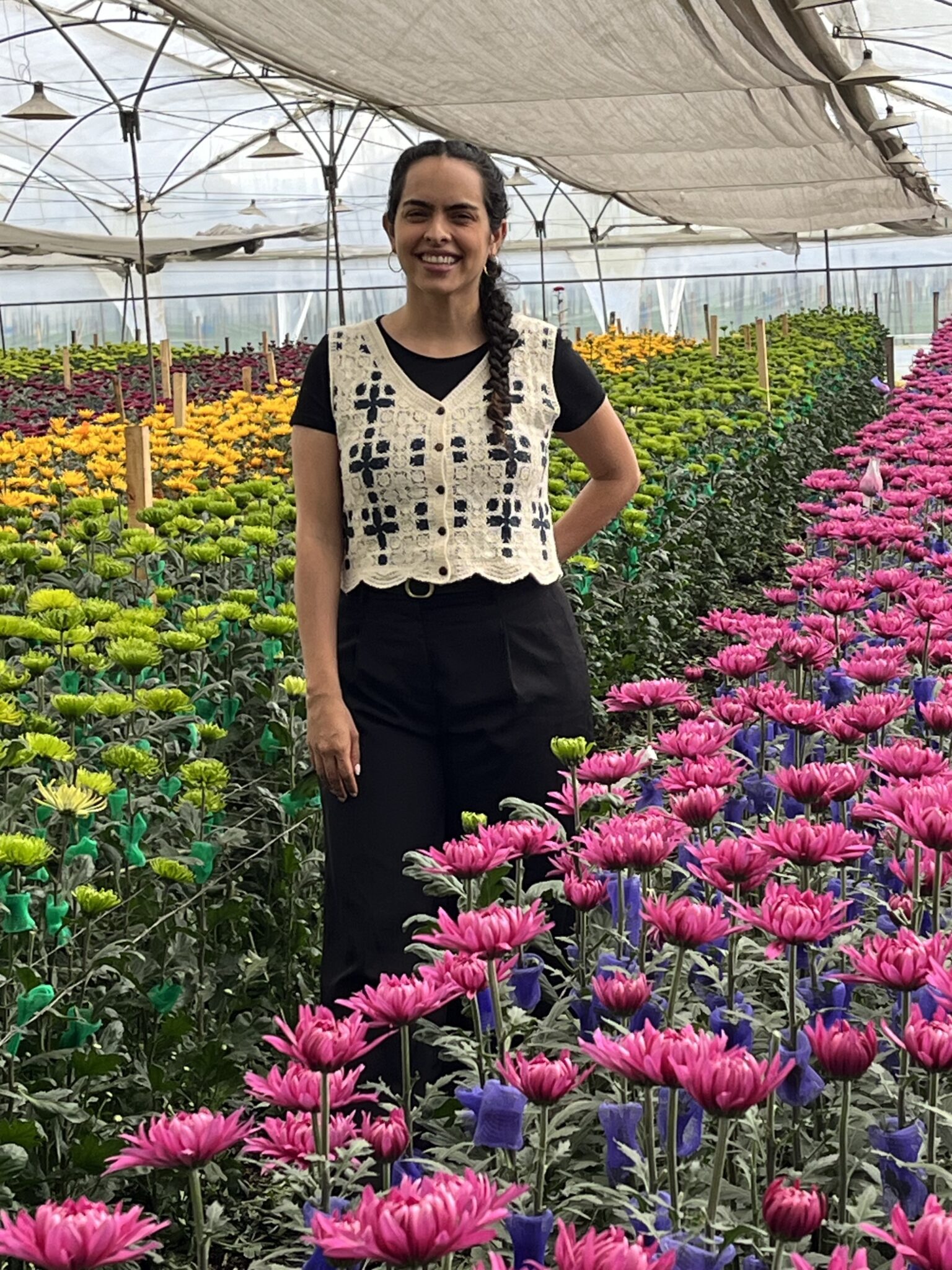 Tatiana Osorio Montoya, North Carolina State University – Altman Family Scholarship
Tatiana's doctoral work at North Carolina State University involves a combination of science, sustainability and the realities of the global floriculture industry. Originally from Colombia, Tatiana became aware of the industry's importance to rural development and economic stability. That exposure shaped her academic path, including training in biology and horticulture as well as work in plant propagation and biotechnology.
"At NC State University, my engagement in floriculture has been both academic and practical," Osorio Montoya said. "I have served as a teaching assistant for horticulture-related courses, working closely with faculty and students in laboratory and field settings. Through these roles, I have gained experience in mentoring students, communicating scientific concepts clearly and understanding the practical constraints faced by growers and industry professionals."
Her current research addresses one of the most persistent challenges in cut flowers — postharvest quality loss resulting from gray mold. Using advanced technology, Osorio Montoya's work integrates high-tech imaging and machine learning to develop non-destructive methods for evaluating flower quality.
"These tools have the potential to help growers and distributors make informed decisions about handling, treatment and shipping, improving consistency and reducing waste," she said.
Osorio Montoya hopes to build a career that bridges academia and industry through applied research and collaboration.
"I envision myself working at the interface between academia and industry, developing technologies and management strategies that improve sustainability, profitability and product quality," she said. "I am particularly interested in maintaining strong connections between U.S. research institutions and floriculture industries in countries like Colombia, where technological advances can have profound economic and social impact."
In addition to this year's Altman Family Scholarship winners, the American Floral Endowment announced that four students received special recognition through the program's application process. The students are:
- Hazel Schrader of St. Paul, Minnesota, a doctoral student at the University of Minnesota
- Morgan O'Neill of Auburn, Alabama, a master's degree student at Auburn University
- Navdeep Kaur of College Station, Texas, a doctoral student at Texas A&M University
- Tanner Hamerling of Athens, Georgia, a master's degree student at the University of Georgia