Catalytic Generators supports ready-to-eat avocado trend
Catalytic Generators supports ready-to-eat avocado trend
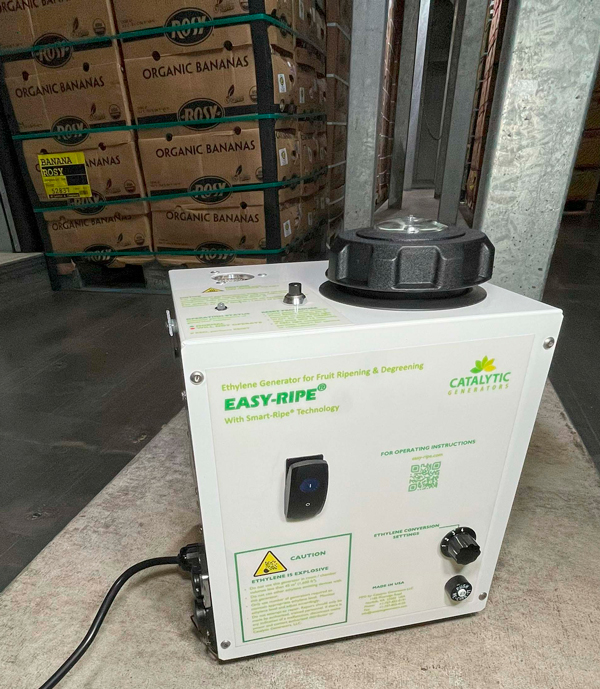
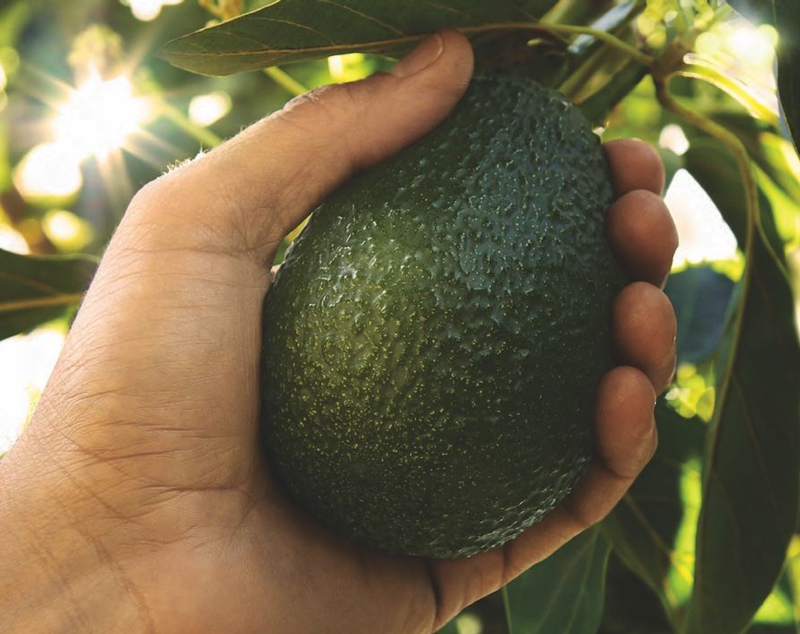
Consumer demand for ready-to-eat avocados has transformed the way the fresh produce industry approaches ripening. What was once considered a specialist service has become an essential part of the supply chain, helping growers, importers, ripeners and retailers deliver fruit with consistent quality, predictable ripeness and reduced waste.
This evolution reflects the remarkable growth of the global avocado market. According to the latest OECD-FAO Agricultural Outlook, avocados are expected to remain the fastest-growing major tropical fruit over the next decade, with global production projected to reach around 16 million tonnes by 2035. The report also forecasts that avocados will become the world’s most traded major tropical fruit by 2035, driven by rising demand in the United States, Europe and other high-income markets.
As avocado consumption continues to rise across North America, Europe, Latin America and Australia, commercial ripening programs are becoming increasingly sophisticated, combining a deeper understanding of fruit physiology with reliable ethylene application and modern ripening technologies.
One of the key challenges in commercial avocado ripening is that no two batches behave in exactly the same way. Factors such as production region, maturity at harvest, time off the tree, shipping conditions and previous post-harvest treatments all influence how avocados respond during the ripening process.
According to Mary Lu Arpaia, cooperative extension specialist at the University of California, avocado ripening has evolved significantly over the years. While it was traditionally carried out at packinghouses, today it increasingly takes place at retail and wholesale distribution centers. Advances in ripening room technology, temperature management, carbon dioxide control and ethylene application have made it possible to deliver more consistent fruit quality closer to the point of sale. Because ripe avocados become particularly fragile, this shift also helps reduce handling after ripening, preserving fruit quality until it reaches consumers.
For Arpaia, understanding these variables is the starting point for delivering consistent fruit quality: "Successful avocado ripening starts with knowing the fruit: where it comes from, how long it has been off the tree, its maturity, shipping conditions and any post-harvest treatments. Ethylene application helps reduce fruit-to-fruit variability, shorten ripening time and deliver a more uniform product to the end user."
Ultimately, successful avocado ripening is never the result of a single factor. It depends on understanding the fruit, well-managed ripening conditions and reliable ethylene application.

While understanding the fruit is fundamental, successful avocado ripening also depends on maintaining stable conditions inside the ripening room. For Arpaia, this means considering the entire ripening process: "An ethylene application system must provide a uniform level of gas at a constant rate and work in tandem with a well-designed ripening room. Airflow is equally important to ensure ethylene is distributed evenly throughout the room."
"For the fruit to start ripening uniformly and dependably, ripeners need to maintain at least 100 ppm of ethylene throughout the application period," said Greg Akins, president and CEO of Catalytic Generators. "Continuous ethylene production helps maintain the required ethylene level, even when minor air leaks occur, and quickly rebuilds them when doors are opened.”
Together, these insights explain why reliable ethylene application has become a key component of modern avocado ripening programs. It is not simply about introducing ethylene into a room, but about maintaining the right concentration, distribution and consistency throughout the treatment period.
This is the approach behind Catalytic Generators' Easy-Ripe systems, which are designed to provide continuous, reliable ethylene production for commercial ripening operations. For Akins, this is exactly what customers are looking for today: reliable equipment, repeatable results, trusted service and people who understand the fresh produce industry.
Commercial avocado ripening has changed significantly over the past decade. According to Akins, what was once handled by a limited number of growers and specialist operators has become standard practice across the industry, including at many retail distribution centers. This shift has been driven by stronger sales, lower shrink and faster inventory turnover, while helping suppliers consistently deliver fruit that meets consumers' ready-to-eat expectations.
Ready-to-eat avocados have become the consumer standard, and the industry continues to evolve to meet growing expectations for quality and consistency. According to Akins, “The next generation of ripening programs will increasingly combine reliable ethylene application with digital tools such as ripeness sensors, remotely monitored ethylene generators and connected ripening rooms, giving operators greater visibility and control throughout the process.”
Ultimately, successful avocado ripening will continue to depend on the combination of science, technology and practical experience. As Arpaia emphasizes, “understanding the fruit remains the foundation of every successful ripening program. Combined with reliable ethylene application and smarter ripening technologies, this knowledge will help the industry deliver the consistent, ready-to-eat quality that today’s consumers expect”.